In the rapidly evolving landscape of design, the emergence of autonomous design teams marks a significant shift in how creative processes are approached. I find it fascinating how these teams operate with a level of independence that allows them to harness technology and creativity in ways that were previously unimaginable. Autonomous design teams are composed of individuals who collaborate seamlessly, often leveraging artificial intelligence (AI) to enhance their creative output.
This new paradigm not only redefines traditional roles within design but also challenges the very essence of creativity itself. As I delve deeper into this topic, I realize that the integration of AI into design teams is not merely a trend; it represents a fundamental transformation in the industry. The synergy between human creativity and machine intelligence opens up a plethora of possibilities.
I am particularly intrigued by how these teams can function without the constraints of hierarchical structures, allowing for a more fluid exchange of ideas and fostering innovation. This article will explore the role of AI in design, the benefits and challenges faced by autonomous design teams, and the ethical considerations that arise as we embrace this new frontier.
Key Takeaways
- Autonomous design teams are self-organizing groups of designers empowered to make decisions and solve problems independently.
- AI plays a crucial role in design by automating repetitive tasks, analyzing data, and providing insights for more efficient and innovative design processes.
- The benefits of autonomous design teams include increased creativity, faster decision-making, and improved collaboration among team members.
- Challenges and limitations of autonomous design teams include the need for clear communication, potential job displacement, and the risk of bias in AI-generated designs.
- AI as a co-creator is exemplified through case studies where AI collaborates with human designers to produce groundbreaking designs and solutions.
The Role of AI in Design
Data Analysis and Insights
I have observed that AI can analyze vast amounts of data, identify patterns, and generate insights that would take humans significantly longer to uncover. This capability allows design teams to make informed decisions based on real-time feedback and trends, ultimately leading to more effective and targeted outcomes.
AI-Assisted Design Creation
For instance, AI algorithms can predict user preferences and behaviors, enabling designers to create products that resonate with their target audience. Moreover, AI’s role extends beyond data analysis; it also plays a crucial part in the actual creation of design elements. I find it remarkable how AI can assist in generating design concepts, automating repetitive tasks, and even suggesting color palettes or layouts based on established principles of aesthetics.
Streamlining the Design Process
This not only streamlines the design process but also empowers designers to focus on higher-level creative thinking. By taking over mundane tasks, AI allows me and my peers to dedicate more time to ideation and innovation, ultimately enhancing the overall quality of our work.
Benefits of Autonomous Design Teams
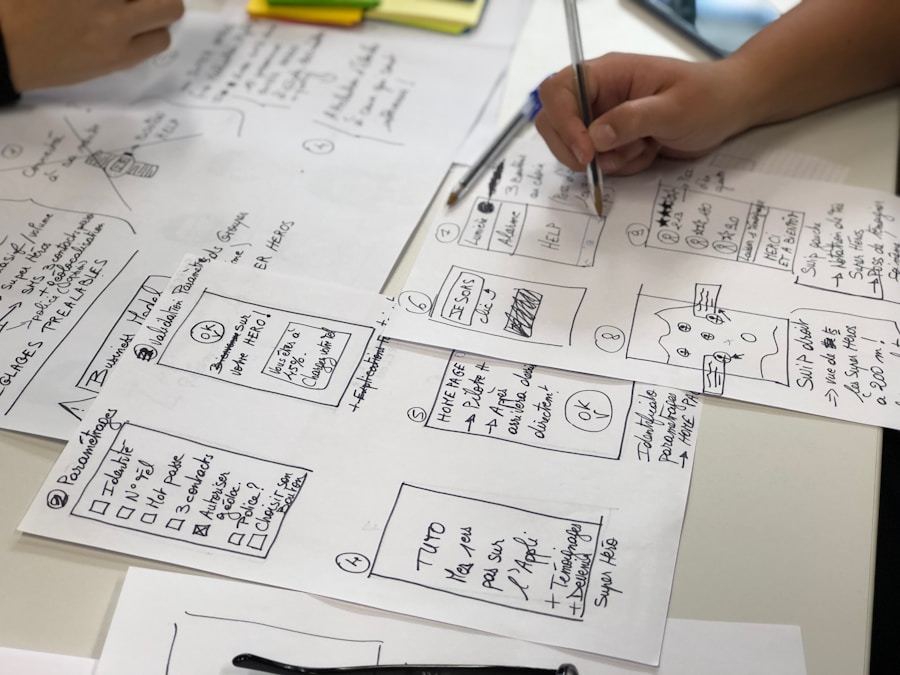
The benefits of autonomous design teams are manifold, particularly when they are augmented by AI technologies. One of the most significant advantages I have noticed is the increased efficiency that comes from reduced bureaucratic hurdles. In traditional design environments, decision-making can often be slowed down by layers of approval and communication.
However, autonomous teams operate with a level of agility that enables them to pivot quickly in response to changing circumstances or new insights. This flexibility is crucial in today’s fast-paced market, where being able to adapt can mean the difference between success and failure. Additionally, I appreciate how autonomous design teams foster a culture of collaboration and creativity.
With team members empowered to take ownership of their roles, there is a greater sense of accountability and motivation. I have experienced firsthand how this empowerment leads to more innovative solutions as team members feel free to express their ideas without fear of judgment. The collaborative nature of these teams encourages diverse perspectives, which can result in richer and more nuanced designs.
When combined with AI’s analytical capabilities, the potential for groundbreaking creativity becomes even more pronounced.
Challenges and Limitations
Despite the numerous advantages that autonomous design teams offer, there are also significant challenges and limitations that must be addressed. One major concern I have is the potential for over-reliance on AI tools. While AI can enhance creativity and efficiency, it is essential for designers to maintain their critical thinking skills and not become overly dependent on technology.
There is a risk that the unique human touch—intuition, emotion, and personal experience—could be overshadowed by algorithm-driven decisions if we are not careful. Another challenge lies in the integration of diverse skill sets within autonomous teams. While collaboration is a hallmark of these teams, it can also lead to friction if team members do not share a common understanding of design principles or methodologies.
I have seen instances where miscommunication or differing expectations can hinder progress and create tension within the team. To mitigate these issues, it is crucial for team members to establish clear communication channels and foster an environment where constructive feedback is encouraged.
AI as a Co-Creator: Case Studies
To illustrate the transformative potential of AI in design, I find it valuable to examine case studies where AI has acted as a co-creator alongside human designers. One notable example is the collaboration between fashion designers and AI algorithms in creating new clothing lines. In one instance, a fashion brand utilized an AI system to analyze current trends and consumer preferences, resulting in a collection that resonated deeply with its audience.
The designers were able to focus on the artistic aspects while the AI handled data-driven insights, leading to a successful launch that exceeded sales expectations. Another compelling case study involves architecture firms using AI to optimize building designs for sustainability and efficiency. By employing generative design algorithms, architects can input specific parameters such as materials, budget constraints, and environmental considerations.
The AI then generates multiple design options that meet these criteria, allowing architects to explore innovative solutions they may not have considered otherwise. This collaboration between human creativity and machine intelligence exemplifies how AI can enhance the design process while addressing pressing global challenges.
The Future of Autonomous Design Teams

As I contemplate the future of autonomous design teams, I am filled with optimism about the possibilities that lie ahead. The continued advancement of AI technologies will undoubtedly lead to even more sophisticated tools that can further enhance collaboration and creativity within design teams. I envision a future where AI not only assists in generating ideas but also learns from past projects to provide tailored recommendations based on individual team dynamics and preferences.
Moreover, I believe that as autonomous design teams become more prevalent, we will see a shift in educational paradigms within design disciplines. Future designers will need to be equipped with both creative skills and technological literacy to thrive in this new environment. I anticipate that educational institutions will begin to emphasize interdisciplinary approaches that combine art, technology, and critical thinking, preparing students for a world where collaboration with AI is commonplace.
Ethical Considerations
While embracing AI in design offers numerous benefits, it also raises important ethical considerations that cannot be overlooked. One concern I grapple with is the potential for bias in AI algorithms. If the data used to train these systems reflects existing societal biases, there is a risk that the designs generated may perpetuate stereotypes or exclude certain demographics.
It is imperative for designers and technologists alike to be vigilant about ensuring fairness and inclusivity in their work. Additionally, I find myself pondering the implications of authorship and ownership in an age where AI plays an integral role in the creative process. As designs become increasingly co-created with machines, questions arise about who holds the rights to these creations.
Should credit be given solely to human designers, or should AI also be recognized as a contributor? These ethical dilemmas require thoughtful consideration as we navigate this new landscape.
Embracing AI in Design
In conclusion, my exploration of autonomous design teams reveals a dynamic interplay between human creativity and artificial intelligence that has the potential to reshape the future of design. While there are challenges and ethical considerations to address, the benefits of increased efficiency, collaboration, and innovation are undeniable. As I reflect on my own experiences within this evolving field, I am excited about the opportunities that lie ahead.
Embracing AI as a co-creator rather than viewing it as a threat allows me to harness its capabilities while retaining my unique human perspective. As we move forward into this new era of design, I am committed to advocating for responsible practices that prioritize inclusivity and ethical considerations while fully leveraging the power of technology. The future of autonomous design teams is bright, and I am eager to be part of this transformative journey.
FAQs
What is an autonomous design team?
An autonomous design team is a group of designers and AI systems that work together to create and innovate without the need for constant human intervention.
How does AI contribute to autonomous design teams?
AI contributes to autonomous design teams by providing tools and technologies that can assist in the design process, such as generating ideas, creating prototypes, and analyzing data to inform design decisions.
What are the benefits of autonomous design teams?
Autonomous design teams can work more efficiently, produce innovative designs, and adapt to changing requirements more quickly. They also have the potential to reduce human error and bias in the design process.
What are the challenges of implementing autonomous design teams?
Challenges of implementing autonomous design teams include the need for specialized AI expertise, concerns about job displacement, and ethical considerations related to AI’s role in the design process.
How can companies prepare for the rise of autonomous design teams?
Companies can prepare for the rise of autonomous design teams by investing in AI technologies, providing training for employees to work alongside AI systems, and developing clear guidelines for ethical and responsible AI use in design.