In the realm of user experience design, empathy maps have emerged as a powerful tool for understanding users’ needs, emotions, and behaviors. As I delve into the intricacies of empathy maps, I find that they serve as a visual representation of user insights, allowing designers and researchers to step into the shoes of their target audience. By capturing what users say, think, feel, and do, empathy maps facilitate a deeper understanding of the user journey, ultimately leading to more effective design solutions.
This approach not only enhances the design process but also fosters a culture of empathy within teams, encouraging collaboration and shared understanding. As I explore the concept further, I realize that empathy maps are not just about gathering data; they are about synthesizing that data into actionable insights. The process of creating an empathy map involves engaging with users through interviews, surveys, and observations.
This qualitative data is then distilled into key themes that highlight user pain points and aspirations. By visualizing this information, I can better communicate user needs to stakeholders and ensure that the design process remains user-centered. In a world where technology is rapidly evolving, the importance of empathy in design cannot be overstated, making empathy maps an essential tool in my arsenal.
Key Takeaways
- Empathy maps are a valuable tool in user research, helping to understand and empathize with users’ needs and experiences.
- Neuroscience plays a crucial role in user research by providing insights into how the brain processes and responds to different stimuli and experiences.
- Understanding the brain’s role in empathy can help in creating more accurate and effective empathy maps for user research.
- Applying neuroscience to improve empathy maps can lead to more impactful and meaningful user experiences.
- Ethical considerations are important when using neuroscience in user research, ensuring that the privacy and well-being of participants are respected.
The Role of Neuroscience in User Research
Uncovering the Underlying Motivations
Neuroscience provides a scientific basis for understanding how users think and feel, allowing me to uncover the underlying motivations behind their behaviors. By leveraging techniques such as functional magnetic resonance imaging (fMRI) and electroencephalography (EEG), I can gain a deeper understanding of users’ emotional responses to products and services.
Adding Credibility to Design Decisions
Incorporating neuroscience into user research not only enriches my findings but also adds a layer of credibility to my work. By grounding my insights in scientific evidence, I can better advocate for design decisions that prioritize user needs.
Towards More Nuanced Design Solutions
This approach allows me to move beyond surface-level observations and delve into the cognitive processes that drive user behavior. As I continue to explore the intersection of neuroscience and user research, I am excited about the potential for more nuanced and effective design solutions that truly resonate with users.
Understanding the Brain’s Role in Empathy
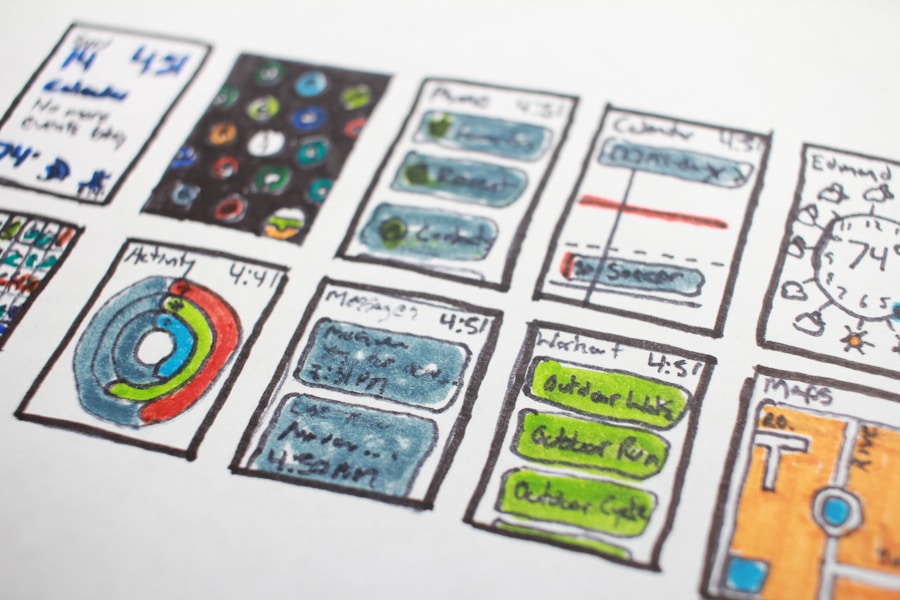
Empathy is a complex emotional response that is deeply rooted in our brain’s architecture. As I study the neuroscience of empathy, I learn that specific brain regions are activated when we connect with others’ feelings and experiences. The mirror neuron system, for instance, plays a crucial role in our ability to understand and share the emotions of others.
This neural mechanism allows me to resonate with users on a deeper level, fostering a genuine connection that informs my design process. Moreover, I discover that empathy is not just an innate trait; it can be cultivated and enhanced through practice and experience. Engaging with users through active listening and open-ended questions allows me to tap into their emotional states and perspectives.
By understanding how the brain processes empathy, I can develop strategies to enhance my own empathetic responses during user interactions. This knowledge empowers me to create designs that not only meet functional requirements but also evoke positive emotional experiences for users.
Applying Neuroscience to Improve Empathy Maps
Integrating neuroscience into the development of empathy maps can significantly enhance their effectiveness. As I reflect on this integration, I realize that incorporating insights from neuroscience can lead to more accurate representations of user emotions and behaviors. For instance, by understanding how different brain regions respond to various stimuli, I can tailor my empathy maps to reflect users’ emotional journeys more accurately.
This approach allows me to capture not only what users say but also how they feel at different touchpoints along their journey. Additionally, employing neuroscience-based techniques such as biometric measurements can provide valuable data for refining empathy maps. By tracking physiological responses like heart rate or skin conductance during user interactions, I can gain insights into users’ emotional states that may not be captured through traditional qualitative methods.
This data-driven approach enables me to create more nuanced empathy maps that reflect the complexities of human emotions and behaviors, ultimately leading to more informed design decisions.
Ethical Considerations in Using Neuroscience for User Research
As I navigate the integration of neuroscience into user research, I am acutely aware of the ethical considerations that arise. The use of neuroscientific methods raises questions about privacy, consent, and the potential for manipulation. It is essential for me to prioritize ethical standards when conducting research involving users’ neurological data.
Ensuring informed consent is paramount; users must fully understand how their data will be used and the implications of participating in such studies. Moreover, I recognize the importance of transparency in communicating findings derived from neuroscientific research. As I present insights from my studies, I must be cautious not to overstate conclusions or misrepresent data.
Ethical considerations extend beyond data collection; they also encompass how I apply these insights in design. It is crucial for me to use neuroscience responsibly, ensuring that my designs enhance user experiences without exploiting vulnerabilities or manipulating emotions.
The Future of Empathy Maps: Integrating Neuroscience
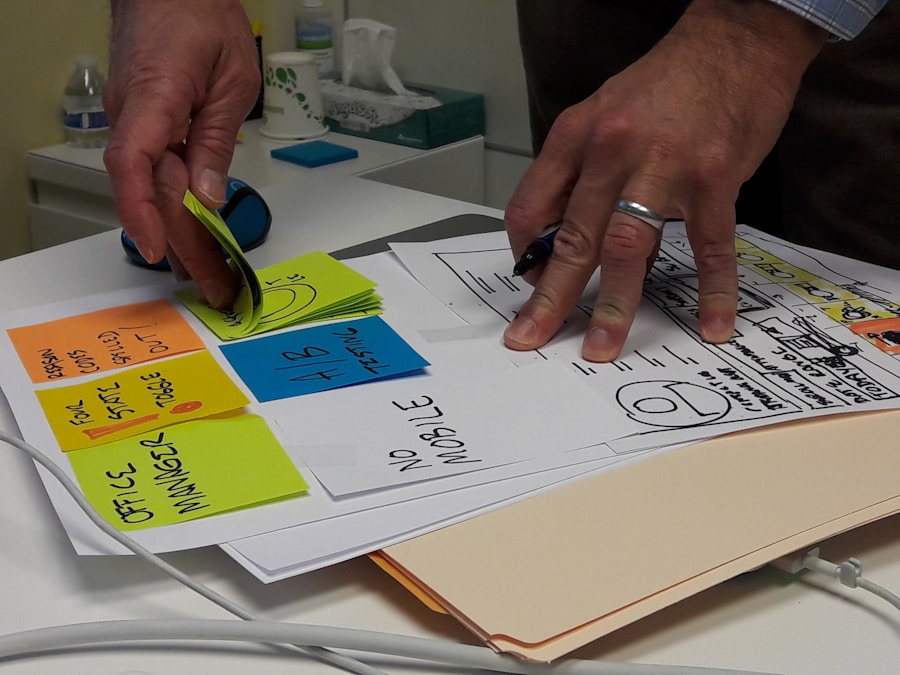
Looking ahead, I am excited about the future of empathy maps as they evolve through the integration of neuroscience. The potential for creating more dynamic and responsive empathy maps is immense. By harnessing advancements in neuroimaging and biometric technologies, I envision a future where empathy maps are not static documents but living representations of user experiences that adapt based on real-time data.
This evolution will allow me to create empathy maps that reflect users’ emotional states as they interact with products or services. Imagine being able to visualize how users’ feelings fluctuate during their journey in real-time! Such insights would enable me to make immediate adjustments to designs based on users’ emotional responses, ultimately leading to more engaging and satisfying experiences.
Potential Impact of Neuroscience on User Experience Design
The integration of neuroscience into user experience design has the potential to revolutionize how we approach our work. As I consider this impact, I realize that understanding the brain’s mechanisms can lead to more intuitive designs that resonate with users on a fundamental level. By aligning design elements with how users process information and emotions, I can create experiences that feel seamless and natural.
Furthermore, neuroscience can inform my design decisions by highlighting areas where users may struggle or experience frustration. By identifying cognitive load and emotional triggers through neuroscientific methods, I can proactively address these issues in my designs. This proactive approach not only enhances usability but also fosters positive emotional connections between users and products.
Embracing the Future of Empathy Maps
In conclusion, as I reflect on the journey through empathy maps and neuroscience, I am filled with optimism about the future of user experience design. The integration of neuroscientific insights into empathy mapping has the potential to elevate our understanding of users beyond traditional methods. By embracing this interdisciplinary approach, I can create designs that are not only functional but also deeply empathetic.
As we move forward in this rapidly evolving landscape, it is essential for me to remain committed to ethical practices while harnessing the power of neuroscience. By prioritizing user well-being and fostering genuine connections through empathetic design, I can contribute to creating experiences that resonate with users on a profound level. The future of empathy maps is bright, and I am excited to be part of this transformative journey in user experience design.
FAQs
What are empathy maps?
Empathy maps are a visual tool used in user research to help understand and empathize with the experiences, emotions, and behaviors of users. They typically include sections for what the user thinks and feels, hears, sees, and says and does.
How are empathy maps used in user research?
Empathy maps are used in user research to gain a deeper understanding of users’ needs, motivations, and pain points. They help researchers and designers to empathize with users and create products and experiences that better meet their needs.
What is the future of empathy maps in user research?
The future of empathy maps in user research may involve incorporating insights from neuroscience. This could lead to a more nuanced understanding of user emotions and behaviors, and ultimately result in more effective and empathetic design solutions.
How can neuroscience be integrated into empathy maps?
Neuroscience can be integrated into empathy maps by using techniques such as brain imaging and biometric measurements to gain a deeper understanding of how users process information, make decisions, and experience emotions. This data can then be used to inform the creation of more accurate and impactful empathy maps.
What are the potential benefits of integrating neuroscience into empathy maps?
Integrating neuroscience into empathy maps could lead to a more scientific and evidence-based approach to understanding user emotions and behaviors. This could result in more accurate and impactful empathy maps, leading to better design solutions and user experiences.