As I delve into the concept of the autonomous enterprise, I find myself captivated by the transformative potential it holds for the future of business. The autonomous enterprise represents a paradigm shift in how organizations operate, leveraging advanced technologies to create systems that can function with minimal human intervention. This evolution is not merely about automation; it encompasses a holistic approach to integrating artificial intelligence (AI), machine learning, and data analytics into every facet of business operations.
The goal is to enhance efficiency, improve decision-making, and ultimately drive innovation. In this new landscape, I envision a workplace where AI systems are not just tools but integral components of the organizational structure. These systems can analyze vast amounts of data, predict trends, and even interact with customers in real-time.
As I explore this concept further, I realize that the autonomous enterprise is not a distant dream but a reality that many forward-thinking companies are beginning to embrace. The implications of this shift are profound, as it challenges traditional notions of work, productivity, and the role of human employees in the business ecosystem.
Key Takeaways
- The Autonomous Enterprise is a concept that involves the integration of artificial intelligence (AI) and automation to create a self-sustaining and self-improving business model.
- AI employees play a crucial role in the Autonomous Enterprise by handling repetitive tasks, analyzing data, and making real-time decisions to optimize business operations.
- The benefits of AI employees in business operations include increased efficiency, cost savings, improved accuracy, and the ability to handle large volumes of data and tasks simultaneously.
- Challenges and limitations of AI employees in the workplace include the potential for job displacement, ethical considerations, and the need for human oversight and intervention in certain situations.
- Implementing AI employees in the Autonomous Enterprise requires careful planning, investment in the right technology, and a clear understanding of the specific business needs and goals.
The Role of AI Employees in the Autonomous Enterprise
In the autonomous enterprise, AI employees take on a variety of roles that were once the exclusive domain of human workers. I see these AI systems as versatile entities capable of performing tasks ranging from data analysis to customer service. For instance, AI chatbots can handle customer inquiries around the clock, providing instant responses and freeing up human employees to focus on more complex issues.
This shift not only enhances customer satisfaction but also optimizes resource allocation within the organization. Moreover, AI employees can assist in decision-making processes by analyzing data trends and providing insights that might not be immediately apparent to human analysts. I find it fascinating how these systems can learn from past experiences and adapt their responses accordingly.
This ability to evolve makes AI employees invaluable assets in strategic planning and operational efficiency. As I consider the implications of this role, I recognize that AI employees are not here to replace humans but to augment our capabilities, allowing us to achieve greater heights in productivity and innovation.
Benefits of AI Employees in Business Operations

The integration of AI employees into business operations brings a multitude of benefits that cannot be overlooked. One of the most significant advantages I observe is the increase in efficiency. AI systems can process information at speeds far beyond human capabilities, enabling organizations to respond to market changes swiftly.
This agility is crucial in today’s fast-paced business environment, where being able to pivot quickly can mean the difference between success and failure. Additionally, I appreciate how AI employees contribute to cost savings for businesses. By automating routine tasks, organizations can reduce labor costs and minimize human error.
This financial efficiency allows companies to allocate resources more strategically, investing in areas that drive growth and innovation. Furthermore, with AI handling repetitive tasks, human employees can focus on higher-value activities that require creativity and critical thinking—skills that are uniquely human. This synergy between AI and human workers creates a more dynamic and productive workplace.
Challenges and Limitations of AI Employees in the Workplace
Despite the numerous benefits that AI employees offer, I cannot ignore the challenges and limitations they present. One significant concern is the potential for job displacement. As organizations increasingly rely on AI systems for various tasks, there is a palpable fear among workers about losing their jobs to machines.
This anxiety can lead to resistance against adopting new technologies, creating a barrier to progress within organizations. Moreover, I recognize that AI systems are not infallible. They rely heavily on data quality and can perpetuate biases present in their training data.
This limitation raises questions about fairness and accountability in decision-making processes driven by AI. As I reflect on these challenges, I understand that organizations must approach the integration of AI employees with caution, ensuring that they implement robust oversight mechanisms to mitigate risks associated with bias and error.
Implementing AI Employees in the Autonomous Enterprise
The successful implementation of AI employees within an autonomous enterprise requires careful planning and strategy. From my perspective, organizations must first assess their specific needs and identify areas where AI can add value. This involves conducting a thorough analysis of existing workflows and pinpointing tasks that are ripe for automation.
By taking a targeted approach, companies can ensure that they are leveraging AI technology effectively rather than adopting it for its own sake. Once the areas for implementation have been identified, I believe it is crucial to invest in the right technology and infrastructure. This includes selecting appropriate AI tools and platforms that align with organizational goals.
Additionally, organizations must prioritize training for both AI systems and human employees to facilitate seamless collaboration. By fostering an environment where humans and machines work together harmoniously, businesses can maximize the benefits of their AI investments while minimizing disruption.
Managing and Training AI Employees
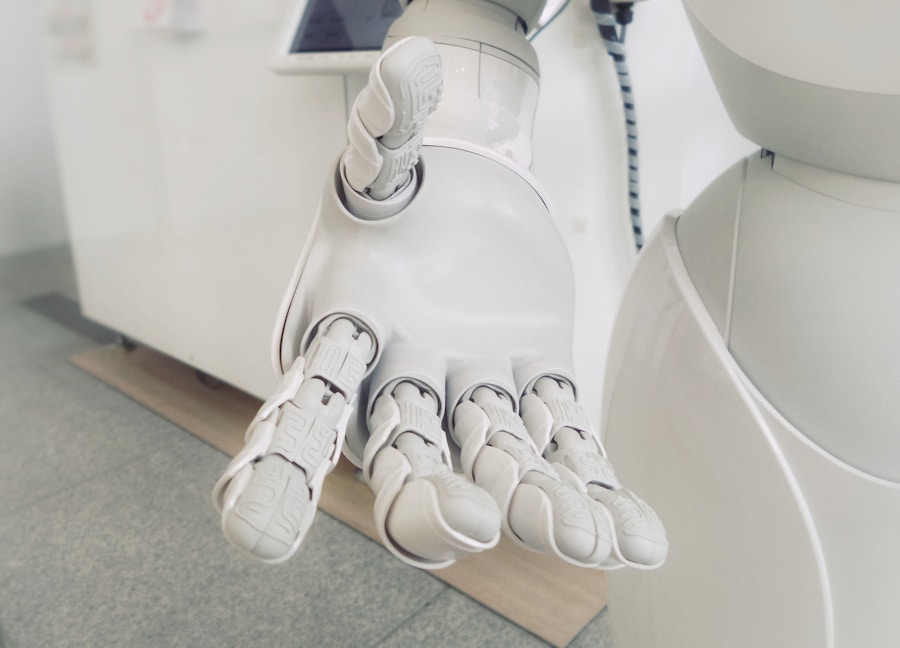
Managing and training AI employees is an ongoing process that requires dedication and foresight. As I consider this aspect, I realize that organizations must establish clear protocols for monitoring AI performance and ensuring alignment with business objectives. Regular assessments can help identify areas where AI systems may need recalibration or additional training to enhance their effectiveness.
Training AI employees involves feeding them high-quality data and continuously updating their algorithms to reflect changing market conditions or organizational needs. I find it essential for companies to adopt a mindset of continuous improvement when it comes to their AI systems. This means not only investing in initial training but also committing to ongoing education as new technologies emerge and business landscapes evolve.
Ethical and Legal Considerations of AI Employees in Business
As I navigate the complexities of integrating AI employees into business operations, I am acutely aware of the ethical and legal considerations that come into play. One pressing issue is data privacy; organizations must ensure that they handle customer information responsibly and comply with relevant regulations such as GDPR or CCPThe use of AI in decision-making processes also raises ethical questions about transparency and accountability—who is responsible when an AI system makes a mistake? Furthermore, I recognize the importance of fostering an inclusive workplace where diversity is valued.
As AI systems are trained on historical data, there is a risk of perpetuating existing biases if not carefully managed. Organizations must take proactive steps to ensure that their AI employees promote fairness and equity rather than reinforce stereotypes or discrimination.
The Future of the Autonomous Enterprise with AI Employees
Looking ahead, I am optimistic about the future of the autonomous enterprise with AI employees at its core. As technology continues to advance, I envision a workplace where collaboration between humans and machines becomes increasingly seamless. The potential for innovation is boundless; organizations will be able to harness the power of AI to drive creativity, enhance customer experiences, and develop new products and services that meet evolving market demands.
However, I also recognize that this future will require a shift in mindset for both leaders and employees alike. Embracing change will be essential as we navigate this new landscape together. By fostering a culture of adaptability and continuous learning, organizations can position themselves at the forefront of this transformation, ready to leverage the full potential of their AI employees while maintaining a strong commitment to ethical practices and social responsibility.
In conclusion, as I reflect on the journey toward becoming an autonomous enterprise with AI employees, I am reminded that this evolution is not just about technology; it is about people—how we work together, how we adapt to change, and how we shape a future that benefits everyone involved. The path may be fraught with challenges, but the rewards promise to be significant for those willing to embrace this new era of business innovation.
FAQs
What is an Autonomous Enterprise?
An Autonomous Enterprise is a business that utilizes artificial intelligence (AI) and automation to operate and make decisions without human intervention.
How does an Autonomous Enterprise use AI employees?
An Autonomous Enterprise uses AI employees to perform tasks such as data analysis, customer service, and decision-making processes. These AI employees can work 24/7 without the need for breaks or supervision.
What are the benefits of running a business with AI employees?
Some benefits of running a business with AI employees include increased efficiency, cost savings, improved accuracy, and the ability to handle repetitive tasks at scale.
What are the potential challenges of implementing AI employees in an Autonomous Enterprise?
Challenges of implementing AI employees in an Autonomous Enterprise may include the need for specialized technical expertise, concerns about job displacement, and ethical considerations related to AI decision-making.
How can businesses prepare for the transition to an Autonomous Enterprise?
Businesses can prepare for the transition to an Autonomous Enterprise by investing in AI technology, providing training for employees to work alongside AI, and developing clear guidelines for AI decision-making.