As I delve into the concept of the orbital economy, I find it fascinating how the landscape of commerce is evolving beyond our planet. The orbital economy refers to the economic activities that take place in space, particularly in low Earth orbit (LEO) and beyond. This burgeoning sector encompasses a wide range of activities, from satellite communications and Earth observation to space tourism and asteroid mining.
The rapid advancements in technology and the decreasing costs of launching payloads into space have opened up new avenues for businesses and entrepreneurs alike. I am particularly intrigued by how this shift is not just about exploration but also about creating a sustainable economic ecosystem that can thrive in the vacuum of space. The implications of the orbital economy are profound.
As I explore this new frontier, I realize that it is not merely an extension of terrestrial commerce but a unique domain with its own set of rules and opportunities. The potential for innovation is immense, as companies are now looking at ways to utilize space resources, such as solar power generation in orbit or manufacturing in microgravity environments. I find it compelling to consider how these developments could lead to new products and services that we cannot yet imagine.
The orbital economy is not just a futuristic concept; it is a reality that is gradually taking shape, and I am eager to understand how I can be a part of this transformative journey.
Key Takeaways
- The Orbital Economy is a growing sector that encompasses commercial activities in space, including satellite deployment, space tourism, and asteroid mining.
- Opportunities for space commerce include satellite communication services, Earth observation data, and space tourism experiences.
- Investing in space technology and infrastructure is crucial for the development of space commerce, including launch vehicles, space habitats, and in-orbit servicing capabilities.
- Regulatory and legal challenges in space commerce include international treaties, intellectual property rights, and liability issues.
- Partnerships and collaborations with government agencies, international organizations, and private companies are essential for the success of space commerce ventures.
Identifying Opportunities for Space Commerce
Satellite Technology: Bridging the Digital Divide
One of the most promising areas is satellite technology, which has become integral to global communications, navigation, and data collection. As I analyze the market, I see that there is a growing demand for high-speed internet access in remote areas, which presents an opportunity for companies to deploy satellite constellations that can bridge the digital divide. This not only has commercial implications but also social implications, as it can enhance connectivity for underserved populations.
Space Tourism: The Next Frontier
Another area that captivates my interest is space tourism. With companies like SpaceX and Blue Origin making headlines for their suborbital flights, I recognize that the dream of traveling to space is becoming increasingly attainable for civilians. The prospect of offering unique experiences, such as zero-gravity flights or stays in space hotels, excites me.
Shaping a New Industry
However, I also understand that this market will require careful consideration of safety protocols and customer experience to ensure its long-term viability. As I explore these opportunities, I am motivated by the idea that I could contribute to shaping a new industry that not only generates profit but also inspires wonder and curiosity about the universe.
Investing in Space Technology and Infrastructure
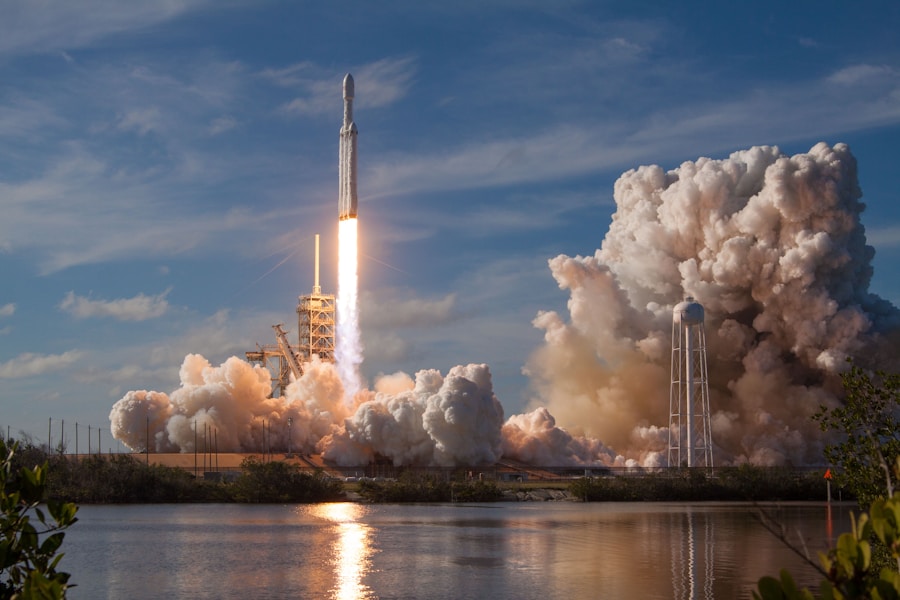
As I contemplate investing in space technology and infrastructure, I realize that this sector requires a unique approach compared to traditional industries. The capital-intensive nature of space ventures means that significant upfront investment is often necessary before any returns can be realized. However, I am encouraged by the increasing interest from venture capitalists and government agencies in funding innovative projects.
The development of reusable launch vehicles, for instance, has drastically reduced costs and made space more accessible than ever before. This shift presents a compelling case for investment, as companies that can leverage these advancements stand to gain a competitive edge. Moreover, I recognize that investing in infrastructure is equally crucial for the growth of the orbital economy.
Spaceports, research facilities, and manufacturing plants in orbit are essential components that will support various commercial activities. As I consider potential investment opportunities, I am particularly drawn to companies focused on building these infrastructures. The idea of creating a network of facilities that can support everything from satellite launches to in-orbit manufacturing excites me.
By investing in these foundational elements, I believe I can play a role in shaping the future of space commerce and ensuring its sustainability.
Navigating Regulatory and Legal Challenges
Navigating the regulatory and legal landscape of space commerce is a complex endeavor that requires careful consideration and strategic planning. As I immerse myself in this aspect, I realize that international treaties and national laws govern activities in space, which can create challenges for businesses looking to operate beyond Earth’s atmosphere. The Outer Space Treaty of 1967, for example, establishes principles regarding the use of outer space for peaceful purposes but leaves many questions unanswered regarding property rights and resource extraction.
This ambiguity can create uncertainty for entrepreneurs like myself who are eager to explore opportunities in this uncharted territory. I also understand that compliance with regulations is not just a legal obligation but also a critical factor in building trust with stakeholders and customers. As I navigate these challenges, I am keenly aware of the importance of engaging with policymakers and industry groups to advocate for clear and fair regulations that promote innovation while ensuring safety and sustainability.
By actively participating in discussions about space law and policy, I hope to contribute to shaping an environment that fosters growth in the orbital economy while addressing the ethical considerations inherent in commercial activities beyond our planet.
Leveraging Partnerships and Collaborations
In my exploration of space commerce, I have come to appreciate the value of partnerships and collaborations as essential components for success. The complexity of space ventures often necessitates expertise from various fields, including engineering, science, finance, and law. By collaborating with established players in the industry, startups like mine can leverage existing knowledge and resources to accelerate development and reduce risks.
For instance, partnering with aerospace companies can provide access to advanced technologies and manufacturing capabilities that would otherwise be prohibitively expensive. Moreover, I recognize that forming alliances with research institutions and universities can foster innovation and drive advancements in space technology. These partnerships can facilitate access to cutting-edge research and talent while also providing opportunities for joint projects that push the boundaries of what is possible in space commerce.
As I seek out potential collaborators, I am motivated by the idea that together we can create synergies that enhance our collective capabilities and contribute to the growth of the orbital economy.
Building a Skilled Workforce for Space Commerce

Investing in Education and Training
To prepare individuals for careers in space commerce, it is crucial to invest in programs that focus on aerospace engineering, robotics, and astrobiology. Collaborating with educational institutions can help cultivate a new generation of talent equipped with the skills necessary for success in this field.
Fostering Mentorship
Fostering mentorship programs that connect experienced professionals with aspiring individuals can provide invaluable guidance and support as they navigate their careers in space commerce. This will ensure that the next generation is equipped to drive innovation and ensure safety in space operations.
Cultivating a New Generation of Talent
By investing in education and training programs and fostering mentorship, we can cultivate a new generation of talent equipped with the skills necessary for success in space commerce. This will be essential for driving innovation and ensuring the continued growth of the space commerce industry.
Developing Sustainable Business Models for Space Operations
In my pursuit of success within the orbital economy, I recognize that developing sustainable business models is paramount. The unique environment of space presents both challenges and opportunities when it comes to sustainability. For instance, while launching payloads into orbit generates significant carbon emissions, advancements in reusable rocket technology offer a pathway toward reducing our environmental impact.
As I explore potential business ventures, I am committed to prioritizing sustainability as a core principle guiding my decisions. Moreover, I understand that sustainability extends beyond environmental considerations; it also encompasses economic viability and social responsibility. Creating business models that generate long-term value while addressing societal needs will be essential for ensuring the longevity of space commerce.
Whether it involves providing affordable access to satellite services or developing technologies that benefit life on Earth through space-based research, I am determined to align my ventures with principles that promote both profitability and positive impact.
Adapting to the Unique Challenges of Space Commerce
As I navigate the complexities of space commerce, I am constantly reminded of the unique challenges inherent in operating beyond our planet’s atmosphere. The harsh conditions of space—such as extreme temperatures, radiation exposure, and microgravity—pose significant obstacles for technology development and operational execution. Adapting to these challenges requires innovative thinking and resilience as we seek solutions that can withstand the rigors of space.
Additionally, I recognize that market dynamics in the orbital economy are still evolving, which means agility will be crucial for success. As new players enter the market and technologies continue to advance at an unprecedented pace, staying informed about trends and emerging opportunities will be essential for maintaining a competitive edge. By fostering a culture of adaptability within my organization and remaining open to collaboration with others in the industry, I believe we can effectively navigate these challenges while contributing to the growth of a vibrant orbital economy.
In conclusion, my journey into the world of space commerce has opened my eyes to a realm filled with possibilities and challenges alike. From understanding the intricacies of the orbital economy to identifying opportunities for innovation and collaboration, each step has reinforced my belief in the transformative potential of this industry. As I continue to explore ways to contribute meaningfully to this exciting frontier, I remain committed to fostering sustainable practices while navigating regulatory landscapes and building partnerships that will shape the future of commerce beyond our planet.
FAQs
What is space commerce?
Space commerce refers to the buying and selling of goods and services in outer space. This can include satellite launches, space tourism, asteroid mining, and other commercial activities in space.
Why is space commerce becoming important?
Space commerce is becoming important due to advancements in technology, increased interest in space exploration, and the potential for economic growth in the space industry. It offers opportunities for new markets, innovation, and resource utilization.
How can businesses prepare for the orbital economy?
Businesses can prepare for the orbital economy by investing in space-related technologies, developing partnerships with space agencies and companies, understanding space regulations, and exploring potential opportunities for space-based products and services.
What are some potential opportunities in space commerce?
Potential opportunities in space commerce include satellite communication services, space tourism, asteroid mining, space manufacturing, and research and development in space technologies.
What are the challenges of space commerce?
Challenges of space commerce include high costs, technological barriers, regulatory complexities, and the need for international cooperation. Businesses also need to consider the risks associated with space activities, such as space debris and space weather.