As I delve into the fascinating world of neural interfaces, I find myself captivated by the intersection of technology and the human brain. Neural interfaces, often referred to as brain-computer interfaces (BCIs), represent a groundbreaking frontier in neuroscience and engineering. These systems facilitate direct communication between the brain and external devices, enabling a two-way exchange of information.
The potential applications of neural interfaces are vast, ranging from medical therapies to enhancing cognitive abilities, and they promise to redefine our understanding of human capabilities. The concept of interfacing with the brain is not merely a figment of science fiction; it is a rapidly evolving field that has garnered significant attention in recent years. As I explore this topic, I am struck by the implications of such technology on our daily lives, our health, and even our very identity as human beings.
The journey into the realm of neural interfaces is not just about technological advancement; it is also about understanding the profound ethical and philosophical questions that arise when we begin to manipulate the very essence of what it means to be human.
Key Takeaways
- Neural interfaces allow for direct communication between the brain and external devices.
- Brain-computer interface technology has seen significant advancements in recent years, opening up new possibilities for human-machine interaction.
- Neuralink, founded by Elon Musk, aims to develop high-bandwidth brain-machine interfaces to connect humans and computers.
- The ethical implications of mind control through neural interfaces raise concerns about privacy, autonomy, and potential misuse of the technology.
- Advancements in neurotech have the potential to enhance human capabilities, from restoring lost sensory functions to improving cognitive performance.
The Rise of Brain-Computer Interface Technology
The rise of brain-computer interface technology has been nothing short of revolutionary. Over the past few decades, I have witnessed remarkable advancements in our ability to decode brain signals and translate them into actionable commands. This evolution has been fueled by breakthroughs in neuroscience, machine learning, and engineering, allowing researchers to develop sophisticated algorithms that can interpret neural activity with increasing accuracy.
As I reflect on this progress, I am reminded of the early experiments that laid the groundwork for modern BCIs, where simple electrical signals were used to control basic devices. Today, BCIs have evolved into complex systems capable of enabling individuals with severe disabilities to regain some level of independence. For instance, I have read about individuals who can control prosthetic limbs or communicate through computer interfaces using only their thoughts.
These advancements not only highlight the potential of neural interfaces but also underscore the importance of interdisciplinary collaboration in pushing the boundaries of what is possible. As I consider the trajectory of this technology, I am filled with a sense of optimism about its future applications and the lives it can transform.
Neuralink: Elon Musk’s Vision for Neural Interfaces
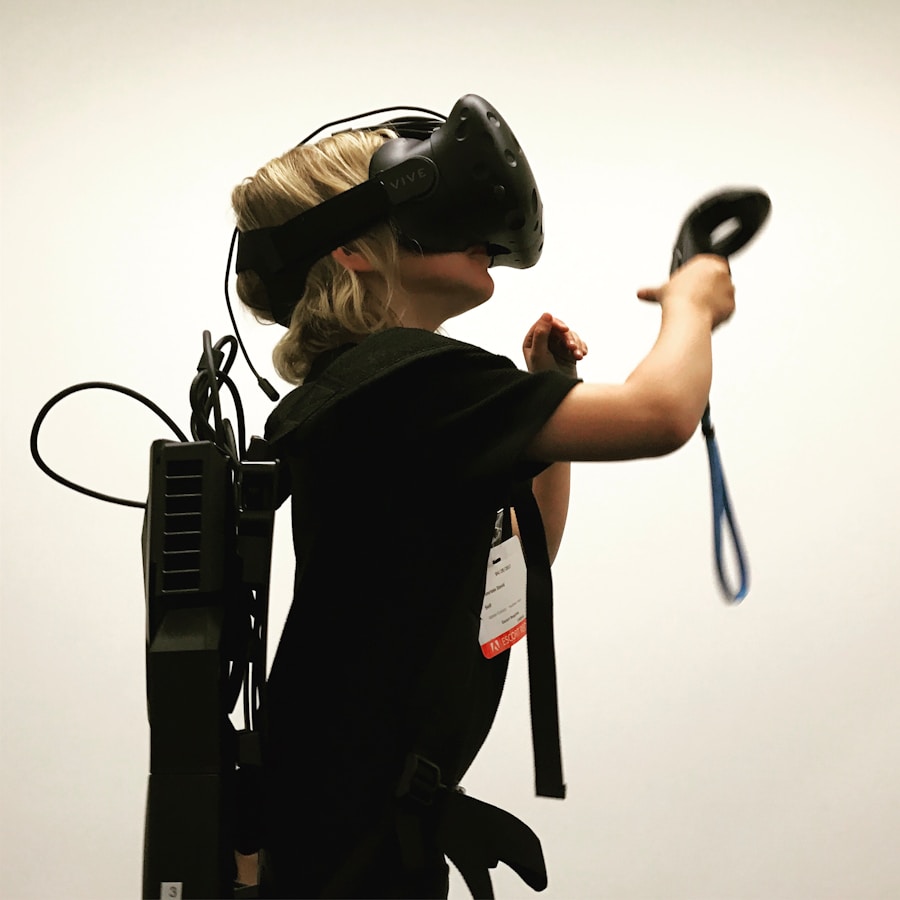
One of the most prominent players in the field of neural interfaces is Neuralink, a company co-founded by Elon Musk. Musk’s vision for Neuralink is ambitious: he aims to create a seamless connection between the human brain and computers, ultimately enabling humans to keep pace with artificial intelligence. As I explore Neuralink’s initiatives, I am struck by the boldness of Musk’s aspirations.
He envisions a future where individuals can enhance their cognitive abilities, communicate telepathically, and even upload their consciousness to digital platforms. Neuralink’s approach involves developing implantable devices that can monitor and stimulate brain activity with unprecedented precision. I find it fascinating how these devices are designed to be minimally invasive, utilizing advanced materials and surgical techniques to ensure safety and efficacy.
However, as I consider Musk’s vision, I am also acutely aware of the challenges that lie ahead. The integration of such technology into our lives raises questions about privacy, security, and the potential for misuse. While I am excited about the possibilities that Neuralink presents, I cannot help but ponder the ethical implications of merging human cognition with machines.
The Ethics and Implications of Mind Control through Neural Interfaces
As I navigate the ethical landscape surrounding neural interfaces, I am confronted with profound questions about autonomy and consent. The ability to influence or even control thoughts and actions through technology raises significant moral dilemmas. If a neural interface can alter a person’s behavior or decision-making processes, what safeguards are in place to protect individual autonomy?
I find myself grappling with the potential for misuse, particularly in scenarios where individuals may be coerced into using such technology against their will. Moreover, the implications of mind control extend beyond individual rights; they touch upon societal norms and values. As I reflect on this issue, I recognize that the integration of neural interfaces into everyday life could lead to a new form of inequality.
Those who have access to advanced neurotechnology may gain significant advantages over those who do not, potentially exacerbating existing social divides. It is crucial for us to engage in thoughtful discussions about these ethical considerations as we move forward in developing and implementing neural interface technologies.
Advancements in Neurotech: Enhancing Human Capabilities
The advancements in neurotechnology are not solely focused on medical applications; they also hold immense potential for enhancing human capabilities. As I explore this aspect of neural interfaces, I am fascinated by the prospect of cognitive enhancement through direct brain stimulation or neurofeedback techniques. Imagine a world where individuals can improve their memory retention, focus, or creativity through targeted interventions that optimize brain function.
This idea excites me as it opens up new avenues for personal development and self-improvement. However, as I consider these possibilities, I am also reminded of the ethical implications associated with cognitive enhancement. The pursuit of enhanced abilities raises questions about fairness and equity in society.
If certain individuals can afford access to advanced neurotechnologies that enhance their cognitive functions, what does that mean for those who cannot? As I reflect on these issues, I realize that while the potential for enhancement is enticing, it is essential to approach this frontier with caution and a commitment to ensuring equitable access for all.
The Potential for Neural Interfaces in Healthcare and Medicine

In the realm of healthcare and medicine, neural interfaces hold transformative potential that could revolutionize patient care and treatment options. As I delve into this topic, I am inspired by the possibilities that BCIs present for individuals suffering from neurological disorders or injuries. For instance, I have read about promising research involving BCIs that enable paralyzed individuals to regain control over their limbs or communicate through thought alone.
These advancements not only restore functionality but also significantly improve quality of life. Moreover, neural interfaces could play a crucial role in understanding and treating mental health conditions. By monitoring brain activity in real-time, clinicians may gain insights into the underlying mechanisms of disorders such as depression or anxiety.
This data-driven approach could lead to more personalized treatment plans and improved outcomes for patients. As I contemplate these developments, I am filled with hope for a future where neural interfaces become integral tools in healthcare, offering new avenues for healing and recovery.
Challenges and Limitations of Neural Interface Technology
Despite the remarkable progress made in neural interface technology, significant challenges and limitations remain. As I reflect on these obstacles, I recognize that one of the primary concerns is the complexity of the human brain itself. The brain is an intricate organ with billions of neurons communicating through complex networks.
Decoding this activity accurately poses significant technical challenges that researchers are still working to overcome. Additionally, there are concerns regarding safety and long-term effects associated with implantable devices. As someone who values health and well-being, I find it essential to consider the potential risks involved in invasive procedures.
Ensuring biocompatibility and minimizing adverse effects are critical factors that must be addressed as we advance in this field. Furthermore, regulatory frameworks will need to evolve alongside technological advancements to ensure that ethical standards are upheld while fostering innovation.
The Future of Neural Interfaces: Integrating the Brain with Technology
Looking ahead, I am both excited and apprehensive about the future of neural interfaces and their integration with technology. The prospect of seamlessly connecting our brains with machines opens up a world of possibilities that could redefine human experience as we know it. From enhancing cognitive abilities to revolutionizing communication methods, the potential applications are vast and varied.
However, as we stand on the brink of this new era, it is crucial for us to engage in thoughtful dialogue about the implications of such integration. We must consider not only the technological advancements but also the ethical frameworks that will guide their implementation. As we move forward into this uncharted territory, I believe it is essential for society to prioritize inclusivity and accessibility while addressing concerns related to privacy and autonomy.
In conclusion, my exploration of neural interfaces has illuminated both the incredible potential and significant challenges associated with this emerging field. As we continue to push the boundaries of what is possible through technology, it is imperative that we remain vigilant stewards of ethical considerations while embracing innovation. The journey into integrating our brains with technology is just beginning, and I am eager to see how it unfolds in the years to come.
FAQs
What are neural interfaces?
Neural interfaces are devices that connect directly to the brain, allowing for communication between the brain and external technology. These interfaces can be used to control devices, receive sensory input, or even stimulate the brain.
How do neural interfaces work?
Neural interfaces work by detecting and interpreting the electrical signals produced by the brain. These signals can then be used to control external devices or provide feedback to the brain.
What are the potential applications of neural interfaces?
Neural interfaces have the potential to revolutionize healthcare by providing new ways to treat neurological disorders, such as Parkinson’s disease or paralysis. They could also be used to enhance cognitive abilities or control prosthetic limbs.
What are the ethical considerations surrounding neural interfaces?
There are ethical concerns about the potential misuse of neural interfaces, such as invasion of privacy or the creation of “mind control” technologies. There are also concerns about the potential for unequal access to neural interface technology.
What are the current limitations of neural interfaces?
Current neural interfaces are limited by their ability to accurately interpret and respond to brain signals. They also face challenges related to safety, longevity, and compatibility with the human body.
What is the future of neural interfaces?
The future of neural interfaces holds promise for continued advancements in technology and potential widespread adoption. However, there are still many technical, ethical, and regulatory challenges that need to be addressed.