As I delve into the world of branding, I find myself increasingly fascinated by the intersection of artificial intelligence and creative design. AI-generated branding is not just a buzzword; it represents a significant shift in how businesses approach their visual identity. In an era where technology is evolving at an unprecedented pace, the integration of AI into branding strategies is becoming more prevalent.
This innovative approach allows brands to harness the power of algorithms and machine learning to create unique logos, color palettes, and overall brand aesthetics that resonate with their target audiences. The allure of AI-generated branding lies in its ability to streamline the design process while maintaining a high level of creativity. By leveraging vast datasets and advanced algorithms, AI can analyze trends, consumer preferences, and market dynamics to produce branding elements that are not only visually appealing but also strategically aligned with a brand’s goals.
As I explore this topic further, I am eager to uncover how AI is reshaping the landscape of branding and what this means for businesses and designers alike.
Key Takeaways
- AI-generated branding is revolutionizing the way companies create logos and brand identities.
- Logo design has evolved from traditional methods to AI-generated techniques, allowing for faster and more efficient branding.
- AI-generated branding offers benefits such as cost-effectiveness, scalability, and customization for businesses of all sizes.
- Creativity still plays a crucial role in AI-generated branding, as human input is necessary to guide and refine the output of AI algorithms.
- AI-generated branding is reshaping the design industry by streamlining processes and opening up new opportunities for designers and businesses.
The Evolution of Logo Design
Reflecting on the evolution of logo design, I am struck by how far we have come from the days of hand-drawn sketches and rudimentary graphics. In the past, creating a logo was a labor-intensive process that required a deep understanding of design principles and a keen sense of aesthetics. Designers would spend countless hours brainstorming concepts, sketching ideas, and refining their work until they arrived at a final product that encapsulated a brand’s essence.
However, with the advent of digital technology, the landscape began to shift dramatically. Today, logo design has transformed into a more dynamic and accessible process. The introduction of design software and online platforms has democratized the field, allowing individuals and businesses to create logos without extensive training or experience.
As I observe this shift, I recognize that AI is now taking this evolution a step further. By utilizing machine learning algorithms, AI can generate logos in mere minutes, offering a plethora of options based on user input and preferences. This rapid turnaround time not only saves designers valuable hours but also opens up new avenues for experimentation and creativity.
The Benefits of AI-Generated Branding
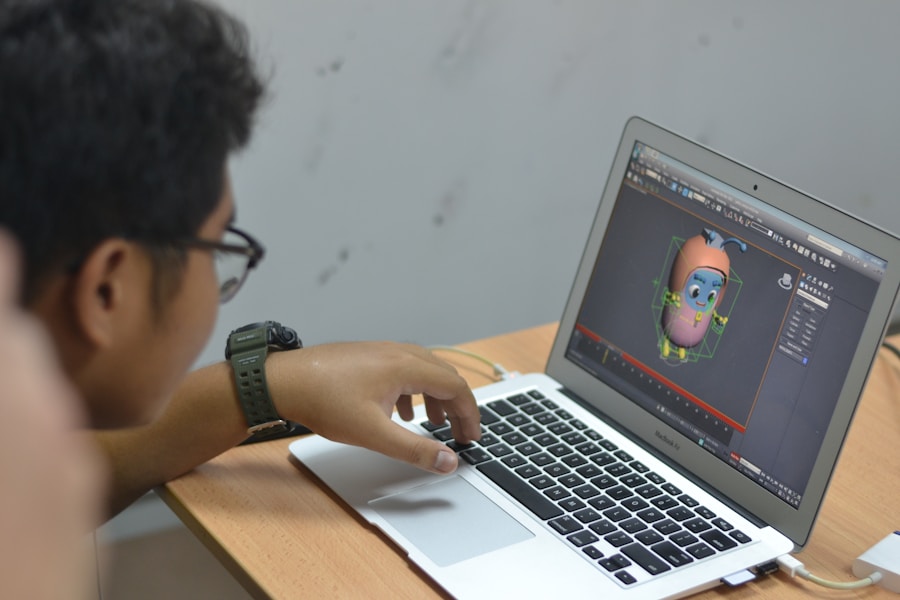
One of the most compelling advantages of AI-generated branding is its efficiency. As I consider the traditional design process, I realize how time-consuming it can be to develop a cohesive brand identity from scratch. With AI tools at my disposal, I can generate multiple logo concepts in a fraction of the time it would take to create them manually.
This efficiency allows me to focus on refining ideas rather than getting bogged down in the initial stages of design. Moreover, AI-generated branding offers a level of personalization that is hard to achieve through conventional methods. By analyzing data from various sources, AI can tailor branding elements to align with specific target demographics.
This means that I can create logos and designs that resonate more deeply with my audience, enhancing brand recognition and loyalty. The ability to harness data-driven insights empowers me to make informed decisions that elevate my branding efforts.
The Role of Creativity in AI-Generated Branding
While AI brings remarkable efficiency to the branding process, I often ponder the role of creativity in this equation. Can machines truly replicate the human touch that has long been associated with artistic endeavors? As I explore this question, I realize that creativity is not solely about producing aesthetically pleasing designs; it also involves understanding context, culture, and emotion.
While AI can generate visually striking logos, it may lack the nuanced understanding that comes from human experience. However, I believe that AI should be viewed as a collaborative tool rather than a replacement for human creativity. By leveraging AI-generated designs as a starting point, I can infuse my unique perspective and insights into the final product.
This symbiotic relationship between human designers and AI technology allows for a richer creative process, where I can harness the strengths of both worlds to produce branding that is not only visually appealing but also deeply resonant with audiences.
The Impact of AI-Generated Branding on the Design Industry
As I reflect on the broader implications of AI-generated branding within the design industry, I recognize that it is ushering in a new era of possibilities. The traditional roles of designers are evolving as they adapt to this technological shift. Rather than being solely responsible for creating designs from scratch, designers are now becoming curators and strategists who guide AI tools to produce effective branding solutions.
This transformation has sparked discussions about the future of design jobs and the skills required in an increasingly automated landscape. While some may fear that AI will render certain design roles obsolete, I see an opportunity for growth and innovation. Designers who embrace AI as a tool can enhance their capabilities and offer more value to clients by delivering faster results without compromising quality.
The design industry is not disappearing; it is evolving into something more dynamic and multifaceted.
The Future of AI-Generated Branding

The Evolution of AI in Understanding Human Emotions
As technology advances, I anticipate that AI will become even more sophisticated in understanding human emotions and cultural nuances. This evolution could lead to branding solutions that are not only visually stunning but also deeply connected to the values and aspirations of consumers.
The Growing Demand for AI-Generated Branding Solutions
Furthermore, as businesses increasingly recognize the importance of brand identity in a crowded marketplace, I foresee a growing demand for AI-generated branding solutions. Companies will seek out innovative ways to differentiate themselves, and AI will play a crucial role in helping them achieve that goal.
A Future of Human-AI Collaboration in Branding
The future holds promise for collaboration between human designers and AI systems, resulting in branding that is both cutting-edge and meaningful.
Challenges and Limitations of AI-Generated Branding
Despite the numerous benefits associated with AI-generated branding, I must acknowledge that there are challenges and limitations inherent in this approach. One significant concern is the potential for homogenization in design. As more businesses turn to AI tools for their branding needs, there is a risk that logos and visual identities may begin to look similar due to reliance on common algorithms and templates.
This could dilute brand uniqueness and make it harder for companies to stand out in their respective markets. Additionally, there are ethical considerations surrounding the use of AI in creative fields. Questions arise about authorship and ownership when an algorithm generates a design.
As I navigate this complex landscape, I recognize the importance of establishing clear guidelines and standards for using AI-generated content responsibly. It is essential to strike a balance between leveraging technology’s capabilities while preserving the integrity of creative expression.
Embracing AI-Generated Branding in 2025 and Beyond
As I conclude my exploration of AI-generated branding, I am filled with optimism about its potential impact on the design industry and beyond. Embracing this technology does not mean abandoning traditional design principles; rather, it signifies an evolution in how we approach branding challenges. By integrating AI into our creative processes, we can unlock new levels of efficiency, personalization, and innovation.
Looking ahead to 2025 and beyond, I believe that the collaboration between human designers and AI will redefine what it means to create compelling brand identities. As we navigate this exciting frontier, it is crucial to remain mindful of the challenges we face while celebrating the opportunities that lie ahead. By embracing AI-generated branding thoughtfully and responsibly, we can shape a future where creativity knows no bounds and brands resonate more deeply with their audiences than ever before.
FAQs
What is AI-generated branding?
AI-generated branding refers to the use of artificial intelligence (AI) technology to create and design logos, brand identities, and other visual elements for businesses. This technology uses algorithms and machine learning to generate unique and customized branding assets.
How does AI-generated branding work?
AI-generated branding works by using machine learning algorithms to analyze large datasets of existing logos and brand identities. The AI then uses this data to generate new designs based on specific input criteria, such as color schemes, typography, and visual style.
What are the benefits of AI-generated branding?
The benefits of AI-generated branding include cost-effectiveness, speed, and the ability to create a large number of design options quickly. AI can also analyze market trends and consumer preferences to create designs that are more likely to resonate with target audiences.
What are the potential drawbacks of AI-generated branding?
Potential drawbacks of AI-generated branding include the risk of creating generic or unoriginal designs, as well as the potential for biases in the AI algorithms. Additionally, some designers and businesses may be concerned about the impact of AI on the creative process and the role of human designers.
How is AI-generated branding shaping the future of logo design in 2025?
In 2025, AI-generated branding is expected to play a significant role in logo design by offering businesses a faster and more cost-effective way to create unique and customized brand identities. This technology is likely to continue evolving and impacting the design industry in the coming years.